
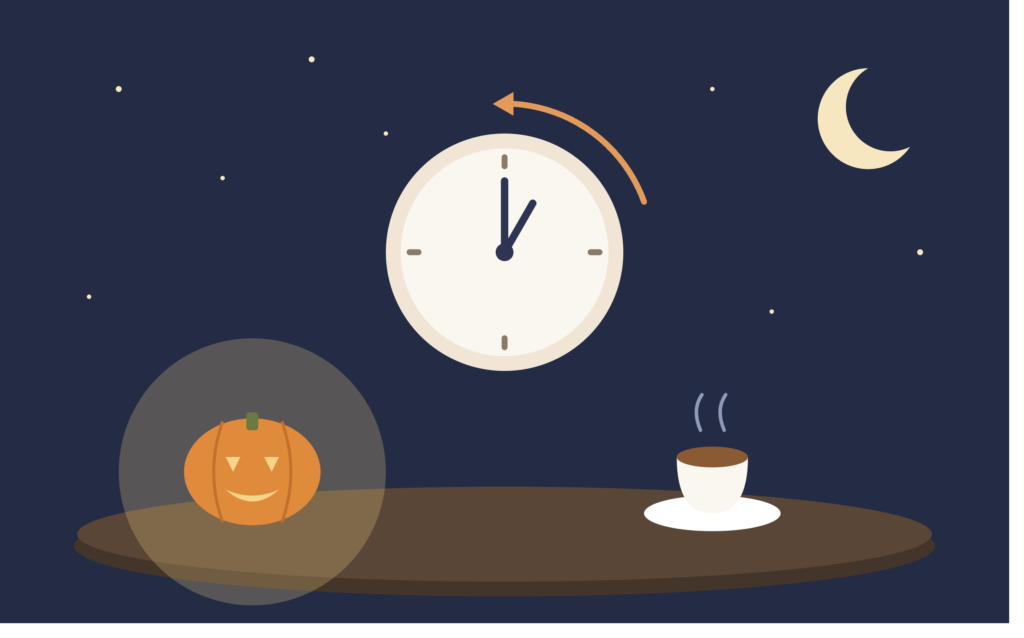
Halloween is just over a week away, on Saturday, October 31. At 2 a.m. the next morning, the clocks fall back an hour. Which means that weekend is a perfect storm: late nights, sugar, costumes, social plans, and then a clock change that scrambles the one thing your body relies on most, its rhythm.
Right on cue, “sleepmaxxing” is all over your feed. It’s the catch-all name for a growing pile of sleep-optimizing tactics: tracking rings, magnesium stacks, mouth tape, blackout everything, a strict forty-step wind-down. Some of it is reasonable. Some of it is a lot. And sleep experts commenting on the trend keep returning to the same point: much of it isn’t sustainable, and a sleep routine that feels like a second job can end up creating the very stress it’s supposed to fix.
Why the clock change hits harder than an extra hour suggests
On paper, falling back sounds like a gift. In practice, doctors warn that the shift can disrupt sleep for several days, because your internal clock doesn’t reset just because the numbers on your phone did. One national survey found that roughly two-thirds of Americans notice at least a small dip in energy, mood, or focus after the change. Light exposure matters here too: darker evenings and different morning light nudge your body’s melatonin timing, which is why you can feel oddly wired at night and foggy in the morning.
Add a Halloween weekend on top of it and your nervous system is being asked to adapt to several things at once.
Optimizing sleep versus preparing your body for it
Here’s the difference we see at Ziva. Sleepmaxxing tends to treat sleep like a performance metric: score it, track it, hack it. But sleep isn’t something you achieve. It’s something your nervous system allows once it feels safe enough to stand down.
That’s why the most useful sleep prep often has little to do with gadgets. It has to do with signals: warmth, slow rhythm, quiet, touch, and a clear line between the day and the night. Our Foot Ritual and Scalp Ritual are built around exactly those signals, giving your body something calming to respond to instead of one more thing to optimize.
A gentle plan for Halloween weekend
You don’t need a forty-step routine. Try a few small things instead:
- Ease into it starting this week. Shifting your bedtime earlier by fifteen minutes every couple of nights is gentler than absorbing a full hour at once.
- Get morning light on Sunday, November 1. Step outside soon after waking. Daylight is the strongest cue your body has for resetting its clock.
- Keep Saturday night simple after the fun is over. Candy and late screens are the usual culprits. A warm drink, dim lights, and the phone in another room help your body wind down.
- Warm your feet. A short foot soak or a few minutes of slow pressure on your feet before bed is a simple, low-effort way to signal the end of the day.
- Don’t turn it into a test. If one night is rough, it’s one night. Treating a bad night as a failure only adds the kind of stress that makes the next one harder.
Make the first week of fall back a restoring one
The week after the clock change is when many people feel the drag: early darkness, tired afternoons, and the holiday rush starting to build. It’s a good week to put something restorative on the calendar before you need it, rather than after.
Sleep isn’t a hack to be maxed out. It’s what happens when a nervous system finally gets the message that it’s safe to let go.
Ready to wind down with intention? Book your ritual at our Arlington, VA studio, or ask about mobile visits if you’d rather have the ritual come to you. First-time guests get 10% off their first session.
Ziva Wellness · 2300 N Pershing Dr., 3rd Floor, Arlington, VA 22201 · 571-977-8393