- Ziva Wellness Spa · Ritual-Based Wellness
How to tell the difference between surface tension and deep nervous system depletion — and what your body actually needs to recover.
Ritual Wellness Nervous System Stress Recovery 6 min read

Not all tension is the same. Some of it lives at the surface — a tight neck after a long drive, sore shoulders from a heavy bag, the kind of stiffness that a good night’s sleep or a single massage can clear up. That tension has a clear cause and a clear solution.
But there is another kind. The tension that does not go away. The tiredness that sleep does not fix. A constant feeling of carrying something heavy, even when the work is done and the weekend has finally arrived.
That second kind is not a muscle problem. It is a nervous system problem — and it calls for a different kind of care.
Here are five signs your body is asking for a ritual — a structured, step-by-step sequence of restoration — rather than a single treatment.

Sign 1: You Wake Up Tired
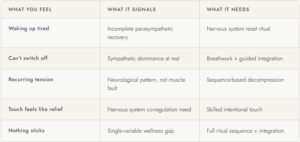
Not slow to start. Not groggy. Genuinely tired — as if sleep gave your body rest but left something underneath untouched. Eight hours pass and the fatigue is still there, sitting behind your eyes, across the top of your shoulders, at the base of your skull.
This is one of the clearest signs of a nervous system that has not fully moved into deep recovery during the night. Sleep restores the body’s basic functions. What it cannot do, however, is reset a nervous system running on long-term stress — that requires active, guided input during waking hours.
Sign 2: Your Body Relaxes But Your Mind Does Not
Lying down feels fine. The body softens. But the mind keeps moving — replaying the day, planning tomorrow, holding a low hum of alertness that does not quiet even when there is nothing left to do. In simple terms, the body’s stress response is still switched on, even at rest.
A single massage addresses the body. A ritual addresses the whole system. Beginning with foot reflex work to signal safety throughout the body, then weaving guided breath awareness throughout each stage, the ZiVa Method creates the right conditions for the mind to follow the body into stillness — rather than the other way around.
“When the body finally feels safe enough to let go, the mind tends to follow. That sequence — body first, then mind — is the foundation of everything we do at ZiVa.”
Sign 3: The Same Tension Keeps Coming Back
A neck massage helps for two or three days. Then the tightness returns — exactly where it was, exactly as intense. Another session. The same result. Another cycle begins.
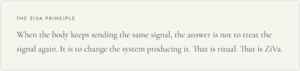
Recurring tension like this usually means the problem is not in the muscle itself. Instead, it is being driven by the nervous system and showing up in the muscle as a symptom. The deep muscles of the neck and shoulders are simply responding to a signal. Until that signal changes, the tension will keep returning.
Ritual-based care works at the level of the signal. Within the ZiVa sequence, shoulder decompression is not just releasing a tight area — it is one step inside a larger framework designed to shift the pattern that is producing the tightness in the first place. For most people, the difference in how long the results last is immediate and clear.
Sign 4: Touch Feels Like Relief, Not Just Pleasure
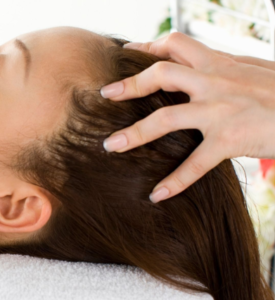
There is a real difference between enjoying a massage and needing one. At a certain level of stress load, skilled human touch becomes something deeper than pleasant — it becomes regulating. Contact from an experienced practitioner sends a clear message to the nervous system: you are safe, you are held, you can begin to let go.
If your response to a treatment is less “that was lovely” and more “I can finally breathe” — that is a signal worth paying attention to. It means your nervous system is looking for something structured and intentional, not just soothing. That is exactly what the ZiVa Method provides.
Sign 5: Nothing You Try Quite Sticks
Yoga helps — for a day. Long walks help — until Monday. Meditation apps, long baths, quiet evenings — each one offers brief relief, but nothing produces a shift that lasts into the week. Managing has become the goal, because real recovery feels out of reach.
This is not a failure of effort. It is a gap in approach. Most wellness habits work on a single variable at a time — movement, or breath, or rest — in isolation. What the overloaded nervous system actually needs is a complete sequence: stimulation that signals safety, release that targets specific holding patterns, breath that supports the shift, and a period of integration before returning to daily demand.
A ritual provides all of these, in the right order. That full sequence is what makes the difference between temporary relief and lasting change.
Why the Tea Ceremony Makes the Difference
One of the most distinctive parts of the ZiVa experience is how each session ends. Rather than closing abruptly — coat, checkout, back into the noise — every ZiVa ritual closes with a tea ceremony. A warm cup. A moment of stillness. A conscious breath before stepping back into the world.
Integration — the period immediately after therapeutic work — is where the nervous system settles into the shift it has just been guided through. Cut that window short and the effects fade quickly. Protect it, and the change deepens. Many clients say the tea ceremony is where the work becomes real — where the release felt on the treatment table becomes something they carry into the rest of their week.

If any of the five signs above feel familiar, your nervous system is not asking for more relaxation. It is asking for recalibration. ZiVa was built for exactly that moment.