- Ziva Wellness Spa · Nervous System Health
The science behind intentional rest — and why choosing to slow down is one of the most powerful things you can do for your health.
Nervous System Health Premium Wellness Ritual Recovery 7 min read
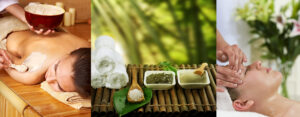
Intentional rest for nervous system recovery is not something most people plan for. Instead, they slow down by accident – when they get sick, burn out, or hit a wall so hard that the body makes the decision for them. In other words, rest becomes something that happens to them, rather than something they choose.
The 5 Signs Your Body Is Asking for a Ritual, Not Just a Massage
Why the body stays under pressure
When life moves fast, the body adapts quickly. It raises its stress chemical — known as cortisol — to sharpen focus, and it tightens the muscles of the neck and shoulders to get ready for action. As a result, breathing becomes shallower and the gut slows down.
These are useful short-term responses to real demand. However, modern life rarely sends the signal that the demand is over. Emails arrive at night, deadlines overlap, and the mind stays busy long after the day ends. Because of this, the body stays in a low state of alert — using up its energy without ever fully recharging.
Over time, this takes a real toll. Sleep quality drops, pain becomes more frequent, and small problems start to feel much bigger than they really are. The body is not broken — it is simply running a short-term stress response for far too long. According to the World Health Organization, stress-related conditions are now among the most common health concerns worldwide.
“Slowing down on purpose is not a luxury. It is the missing input your nervous system has been waiting for.”
What intentional rest does for nervous system recovery
Intentional rest — through a structured wellness ritual — sets off a series of body changes that passive rest simply does not. Furthermore, these changes are not subtle. Below is what happens when the body receives the right signals to shift into a true recovery state.
- Stress chemicals begin to drop. Within minutes of true recovery beginning, cortisol — the body’s main stress chemical — starts to fall. As a result, tension in the shoulders and jaw eases, and breathing deepens on its own without any effort.
- Heart rhythm balance improves. A healthy gap between heartbeats is one of the best signs of a well-rested nervous system. When this balance improves, the body can shift between effort and rest with ease, rather than staying locked in one gear all day.
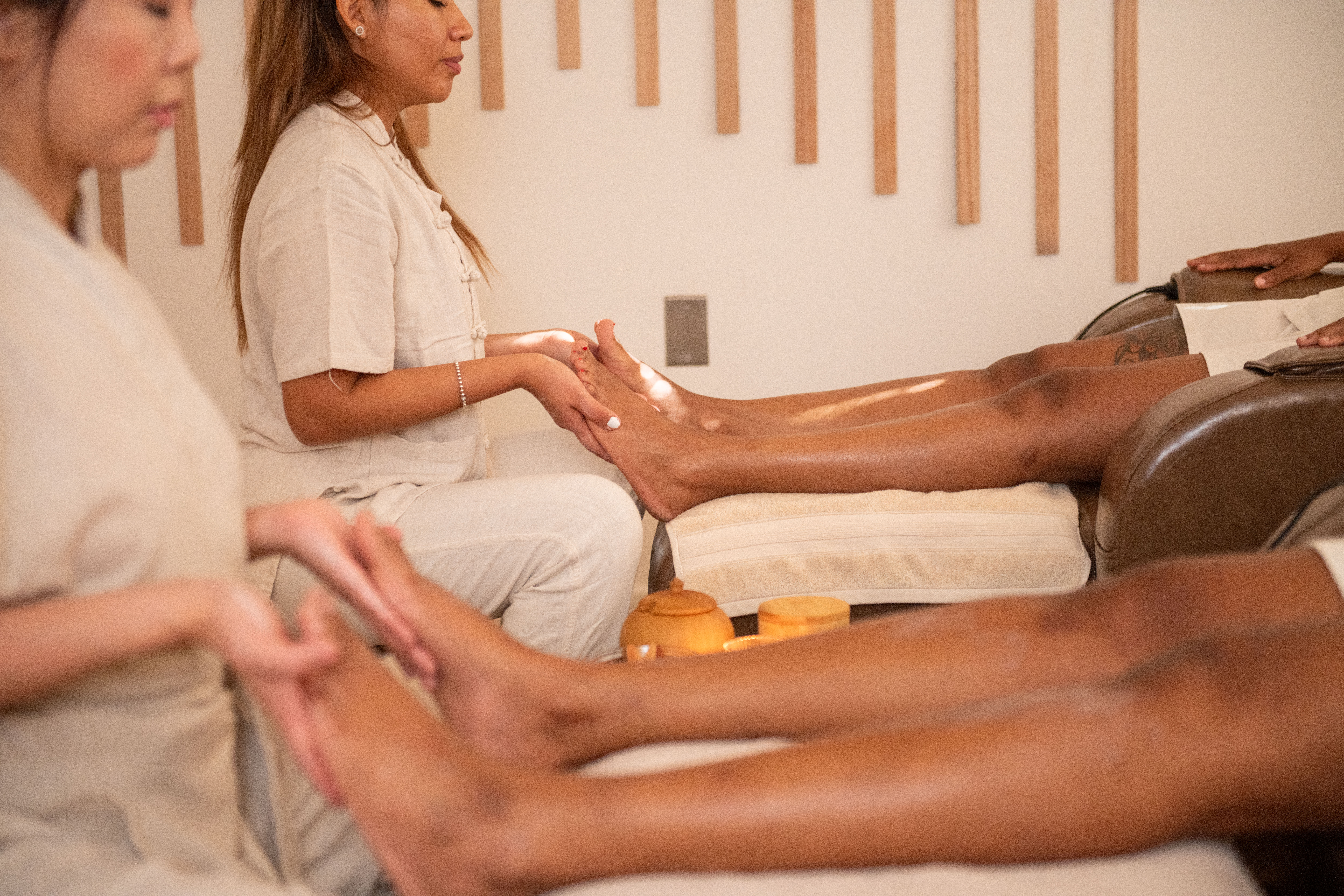
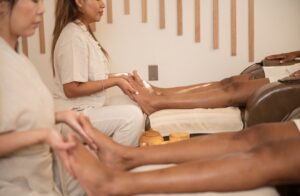
- Blood flow increases throughout the body. As the body lets go of its stress response, blood moves more freely to the hands, feet, and organs. In addition, foot reflex work at the start of every ZiVa ritual supports this shift directly — encouraging flow from the ground up..
- Muscle tension releases at the root. Long-term tightness in the upper back, neck, and scalp is driven by the nervous system — not just the muscles on their own. Therefore, when the nervous system settles, the muscles can finally let go at a deeper level than stretching alone can reach.
- Sleep quality improves. Regular nervous system reset supports longer, deeper sleep. Moreover, clients who practise intentional rest consistently report falling asleep more easily and, most importantly, waking up feeling genuinely restored.
Why You Can’t Sleep Your Way Out of Burnout
Why sequence matters in intentional rest
Not all rest produces these changes. For example, watching a screen, scrolling, or even napping does not shift the nervous system into true recovery. Instead, the body needs clear, repeated signals — and those signals work best when they arrive in a set order.
This is where ritual becomes science. Each stage of the ZiVa Method follows a specific order because the body responds to sequence, not just touch. First, foot reflex work opens the recovery pathway. Next, scalp work eases tension stored in the head and neck. After that, shoulder release restores breathing depth. Throughout all of this, guided breath awareness ties the whole session together. Finally, the tea ceremony gives the body time to fully settle before returning to daily life.
None of these steps are simply for show. In fact, each one builds on the last — and the effect of all five together is far greater than any single step on its own.
How breath supports the whole process
Breath is the only part of the body’s automatic system that we can also control by choice. Specifically, slowing and deepening the breath sends a clear message to the brain that the danger has passed and the body is safe. This is not simply a nice idea — it is a physical process, and one of the fastest ways to shift the body from alert to recovery.
In the ZiVa ritual, breath awareness runs through every stage rather than being saved for the end. It guides each client deeper into rest with every exhale and strengthens the effect of each hands-on stage. As a result, by the time the tea ceremony begins, most clients are breathing at a pace and depth they rarely reach in daily life. Research from the Harvard Health Blog supports this, noting that slow, guided breath directly reduces the body’s stress response.
That shift brings real benefits. Oxygen delivery improves, muscle tension eases further, and the mind grows quiet. Most importantly, the body begins to remember what genuine, deep rest actually feels like.
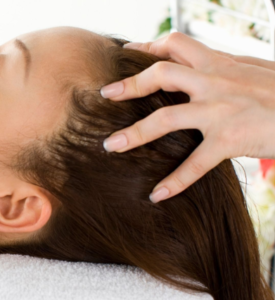
Scalp massage and breath-guided ritual at Ziva Wellness Spa
How breath supports the whole process
Breath is the only part of the body’s automatic system that we can also control by choice. Specifically, slowing and deepening the breath sends a clear message to the brain that the danger has passed and the body is safe. This is not simply a nice idea — it is a physical process, and one of the fastest ways to shift the body from alert to recovery.
In the ZiVa ritual, breath awareness runs through every stage rather than being saved for the end. It guides each client deeper into rest with every exhale and strengthens the effect of each hands-on stage. As a result, by the time the tea ceremony begins, most clients are breathing at a pace and depth they rarely reach in daily life. Research from the Harvard Health Blog supports this, noting that slow, guided breath directly reduces the body’s stress response.
That shift brings real benefits. Oxygen delivery improves, muscle tension eases further, and the mind grows quiet. Most importantly, the body begins to remember what genuine, deep rest actually feels like
Building rest into your long-term wellness plan
A single ZiVa ritual produces real, felt changes right away. However, coming back regularly changes the starting point altogether. Clients who build intentional rest for nervous system recovery into their routine notice that the benefits grow over time — sleep improves, pain becomes less frequent, and their ability to handle daily pressure increases without the same cost to their energy.
In short, one session offers relief. A regular practice, on the other hand, builds something deeper — a nervous system that returns to calm more quickly, stays there longer, and needs less effort to stay balanced.
Choosing to slow down on purpose is therefore not a sign that you are struggling. Instead, it shows that you treat recovery as a skill — and one that makes every other part of your life work better as a result.
Your Nervous System Is Not Tired. It’s Overwhelmed