
Foot soaking was once a nightly ritual, not a spa add-on. Here is where it came from, why it faded, and why your feet still need it.
Foot Soaking Ritual Wellness Self-Care Traditions 5 min read
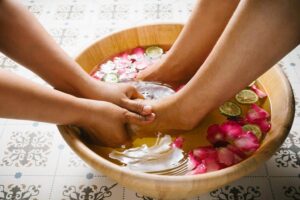
Foot soaking is one of the oldest self-care habits in the world. Long before spas and wellness apps, people soaked their feet after long days on their feet. They did it to heal, to rest, and to gather with family. Somewhere along the way, this simple habit faded. Busy schedules pushed it aside. Today, foot soaking is making a quiet comeback, and for good reason.
In this post, we trace where the tradition began, why it disappeared, and why it deserves a place in your week again.
Where the foot soaking tradition began
Foot soaking is not a modern spa trend. It goes back thousands of years. In ancient China, foot baths were part of daily medicine. Healers believed the feet held points linked to the whole body. Soaking them in warm water, often with herbs, was thought to restore balance and ease.
In Japan, hot spring foot baths called ashiyu became a public ritual. Travelers would stop, remove their shoes, and soak together in silence. It cost nothing and asked for nothing but a few quiet minutes. In Europe, mustard and salt foot baths were common home remedies. Grandmothers passed the habit down. A cold caught in winter often meant a warm soak that same night.

Why we stopped soaking our feet
So what happened? Life got faster. Modern medicine offered quick fixes, and pills replaced home remedies. Showers replaced baths. Convenience won over ritual. In addition, many people now see foot care as something you do only when your feet hurt, not as regular self-care.
There is also a mindset shift at play. Slow rituals can feel old-fashioned in a world built for speed. However, sitting still for twenty minutes with your feet in warm water is not wasted time. It is a small, steady form of care that the body still needs.
“Your feet carry you through every single day. A few quiet minutes in warm water is the least they are owed.”
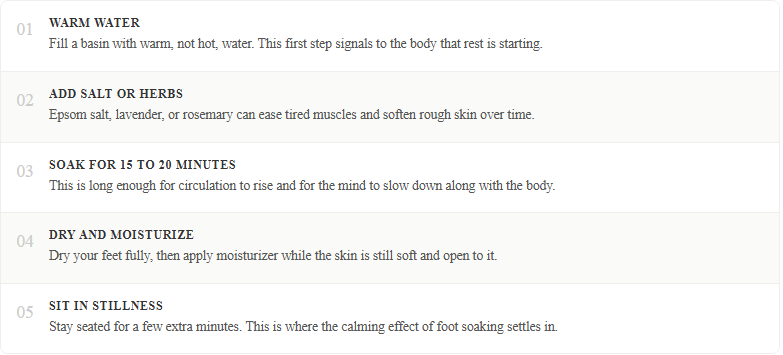
How to bring foot soaking back — step by step
You do not need a spa membership to bring this ritual home. Each step below builds on the one before it, so the body settles fully by the end.

Why foot soaking still matters today
Your feet carry you through every single day, yet they rarely get more than a quick rinse. Foot soaking gives them, and the rest of the body, real attention. Warm water helps blood move more freely after hours on your feet. It also loosens tight muscles in the feet and ankles, which can ease tension elsewhere in the body.
Moreover, regular soaking helps prevent dry, cracked skin before it becomes painful. The simple act of sitting still and soaking calms the nervous system too. It forces a pause in a day that rarely offers one. According to the National Institutes of Health, warm-water immersion can support circulation and help muscles relax after physical strain.

Bringing the tradition back at ZiVa
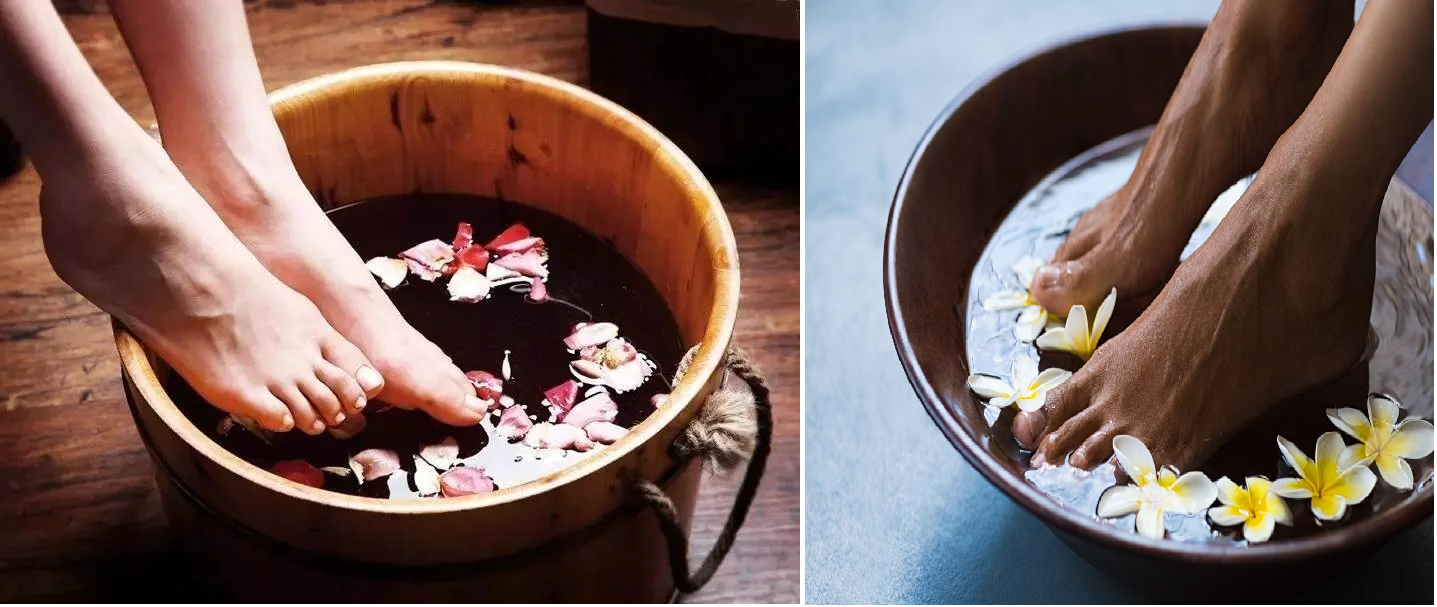
At ZiVa Wellness Spa, we see foot soaking as more than a beauty step. It is a small act of self-respect built into a longer ritual. In fact, it is the opening stage of the ZiVa Method itself, the point where the whole body begins to settle. We believe old habits often hold new lessons, and foot soaking is one worth keeping.
Modern life will not slow down on its own. Instead, we have to build the pause ourselves. A foot soak, done with care and attention, is one of the simplest ways to start.

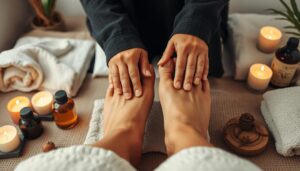
Foot soaking is not a luxury — it is a tradition worth keeping
We are often asked whether foot soaking is just a small comfort or something more. The truth is, it is both. It feels good in the moment, and it also builds real, lasting benefit over time. Together, comfort and consistency are what turn a habit into a tradition.
Luxury feels good once. A tradition builds something that lasts. At ZiVa, we want every client to leave not just relaxed, but reconnected to a habit their body has always needed.

