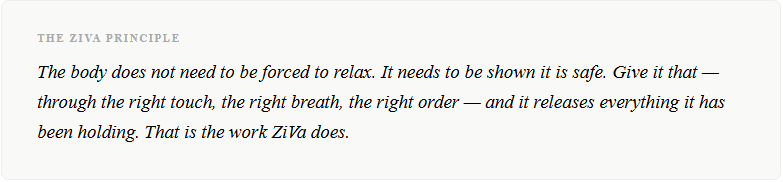
Sitting still is not the same as resting. Here is why the body holds on — and what it actually needs to let go.
Body Recovery Nervous System ZiVa Method 7 min read
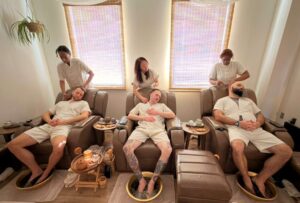
When the body struggles to relax, rest alone will not fix it. Most people know this feeling well. The work is done. The phone is down. The room is quiet. Yet the jaw is still tight. The shoulders are still up near the ears. The mind keeps moving even though there is nothing left to do. Rest has started — but the body has not followed.
This is one of the most common things people describe when they first come to ZiVa. And it points to something that most wellness advice misses: resting the body and calming the nervous system are two very different things.
Why rest does not always mean calm
The body has a built-in alert mode. When life feels busy or unsafe, it switches on. The heart beats a little faster. The muscles tighten. The breath gets shorter. This is the body getting ready to act — to run, to fight, or to deal with whatever comes next.
In short bursts, this mode is useful. However, modern life keeps it switched on far too long. Deadlines, noise, screen time, and a packed schedule all tell the body that the threat is still here. As a result, the alert mode stays on even when the day ends. Sitting on the sofa does not turn it off. Going to bed does not turn it off either. The body needs more than a pause — it needs a clear signal that the danger has passed.
Without that signal, the body holds on. Moreover, the longer it holds on, the harder it becomes to let go. Tension builds in layers. Each tense day adds to the last. Eventually, the holding pattern becomes the new normal — and the body forgets what full rest actually feels like.

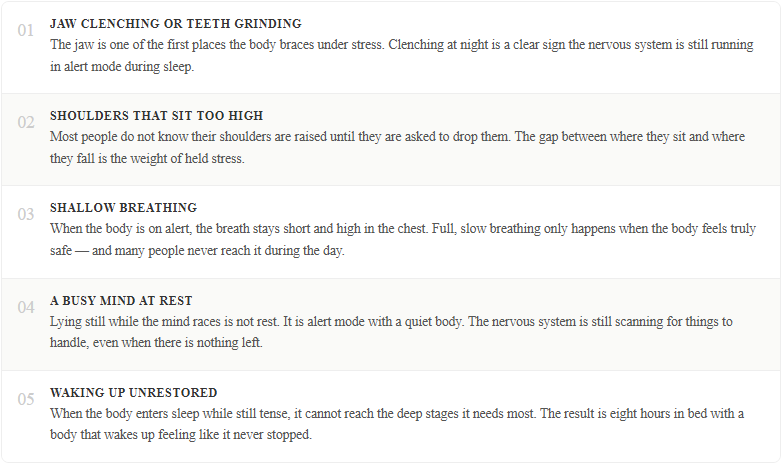
The signs that your body is struggling to relax
Many people do not notice how tense they are until someone points it out — or until they feel what real release is like. Below are the most common signs that the body is holding on, even at rest.

What the body actually needs to let go
To fully relax, the body needs three things. First, it needs a clear signal that the threat is over. Second, it needs that signal to reach the muscles, not just the mind. Third, it needs enough time to settle before the next demand arrives.
Thinking calm thoughts does not meet that first need. Reading a book is close, but it rarely reaches the muscles. A glass of wine blunts the alert mode briefly — but it does not reset the system. What the body needs is skilled physical input: touch, breath, and a set of steps that guide it through the shift from held to open.
Furthermore, that shift cannot be rushed. The nervous system moves at its own pace. Push too hard and the body braces again. However, guide it gently — through the right steps, in the right order — and it moves all the way through to a full release. That is the core idea behind the ZiVa Method.
“The body does not hold on because it wants to. It holds on because no one has yet given it a safe reason to let go.”
How ZiVa helps the body struggle less and release more
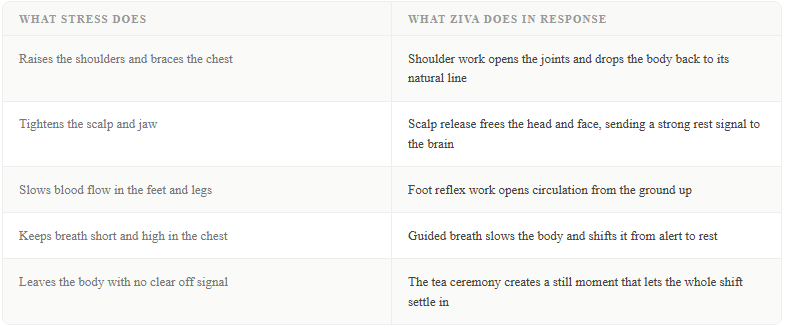
Every stage of the ZiVa ritual gives the nervous system a different signal. Together, those signals build into a clear message: the day is over, the threat has gone, and it is safe to stop holding.

Why the order of steps matters
The ZiVa ritual does not just use the right tools — it uses them in the right order. This matters more than most people expect. The nervous system is not a switch. Instead, it moves through stages. Each stage prepares the body for the one that follows.
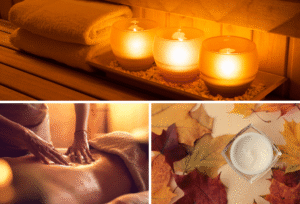
Foot reflex work comes first because it opens the body from the ground up. Blood flow rises, the alert level drops a little, and the body gets its first signal that help has arrived. Scalp work builds on that opening — releasing the tension that stress locks into the head and neck. By the time ZiVa works the shoulders, the body is already partway through the shift. As a result, the shoulders let go more fully than they ever would on their own.
Breath runs through all of it. Slow, full breathing keeps the nervous system moving toward calm. The tea ceremony at the end holds that space open. It gives the body time to settle before the world begins again. Without that final step, the shift can reverse before it has a chance to land.
What changes when the body finally lets go
Most people are surprised by how different full release feels. The shoulders drop further than expected. The breath goes deeper without any effort. The eyes soften and the weight behind the forehead lifts. For many clients, it is the first time in months — or longer — that the body has fully stopped holding.
After a session, the shift tends to carry through the night. Sleep is deeper, and the 2am wake-up either does not come or passes quickly. Moreover, the morning after feels different — not just rested, but lighter. The body spent the night at a lower level of tension, so it had far more room to recover.
In addition, regular sessions build on each other. The nervous system learns to reach calm more quickly. Clients report that after several weeks, the body starts to relax in places it used to hold — without needing the full ritual to get there.

Rest is not enough — but it is where healing starts
Rest matters. The body needs pauses, quiet rooms, and slow evenings. However, rest alone cannot undo what stress builds up over weeks and months. The body needs active help to shift — skilled touch, guided breath, and a clear path through the stages of release.
ZiVa does not replace rest. Instead, it makes rest work. When the body enters stillness from a place of true calm rather than held tension, everything changes. Sleep deepens, pain eases, and the mind finally goes quiet. According to the American Psychological Association, unresolved physical tension is one of the main reasons rest fails to restore the body fully.
If rest leaves you feeling like you never quite switched off, your body is not broken. It is simply waiting for the right signal. ZiVa was built to give it that signal — every time.